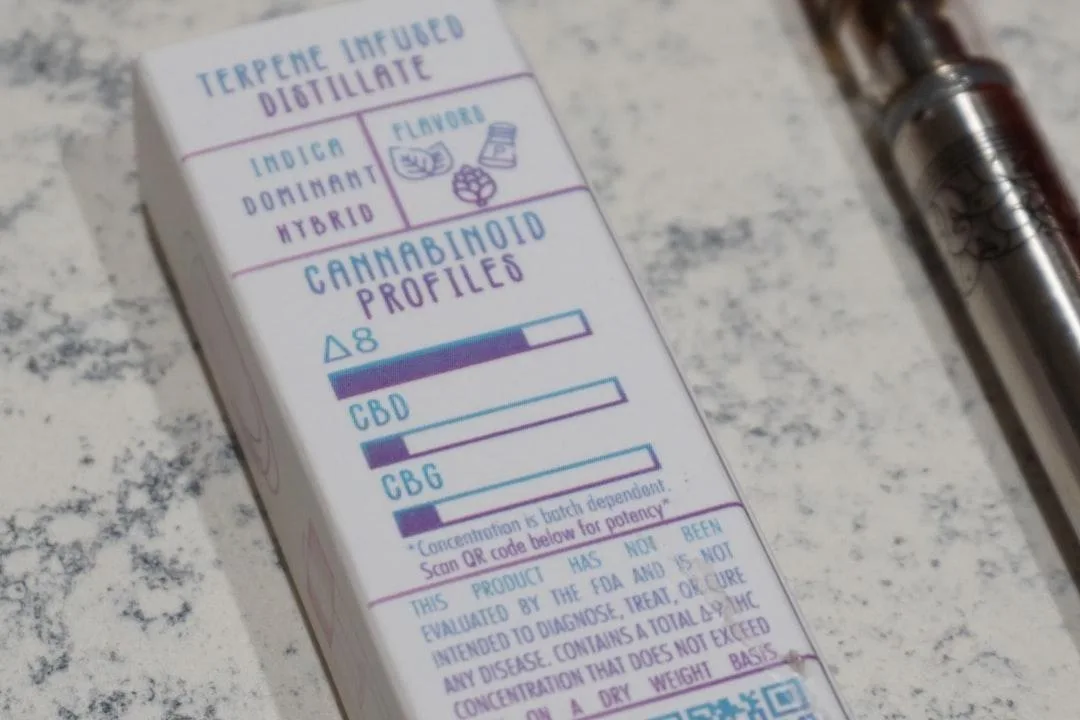
Cannabis flower is still merchandised primarily by THC percentage, despite growing evidence that terpene content drives much of the perceived difference between cultivars (Journal of Cannabis Research). The gap between how flower is sold and what actually determines customer satisfaction is the central inefficiency in flower retail.
Why THC Percentage Became the Default Metric
Potency is easy to print on a label and easy for a customer to compare across products. It requires no education to interpret, which made it the natural organizing metric when legal retail was new and staff training was thin.
Where the Metric Breaks Down
Two cultivars testing at identical THC percentages routinely produce different reported experiences. That divergence points toward the other compounds present in the flower, particularly the terpene fraction that varies substantially between cultivars.
What Terpenes Actually Contribute
Terpenes are the aromatic compounds responsible for the smell and much of the flavor of cannabis, and they appear across many plants beyond cannabis (National Center for Complementary and Integrative Health). Their contribution to the overall effect profile remains an active research question rather than a settled one.
How Retail Practice Is Adjusting
Retail practice has begun catching up to the chemistry, with dispensary flower menus increasingly listing dominant terpene content alongside cannabinoid percentages so customers can select on aroma profile rather than potency alone (Green Cannabis Co.).
Which Terpenes Appear Most Frequently
Four terpenes dominate the profiles of most commercially available cannabis cultivars, and each carries a distinctive aroma signature that customers can learn to recognize by smell.
- Myrcene, associated with earthy and herbal aromas
- Limonene, associated with citrus aromas
- Caryophyllene, associated with peppery and spicy aromas
- Pinene, associated with pine and conifer aromas
Why Repeat Purchase Tracks Aroma Preference
Customers who identify a preferred aroma profile can find satisfying products across many different cultivar names. Customers anchored only to potency must re-guess with every purchase, which produces inconsistent experiences and weaker repeat behavior.
The Practical Selection Method
Experienced buyers increasingly smell before they buy where regulations permit sampling jars. Aroma correlates with terpene content more reliably than any number printed on a label, which makes it a faster selection tool than lab panels for most customers.
How Testing Requirements Support the Shift
Nevada requires laboratory testing of cannabis products before retail sale, and testing panels commonly report terpene content alongside cannabinoid potency (Nevada Cannabis Compliance Board). The data already exists on most certificates of analysis, whether or not retailers surface it.
Why Surfacing Existing Data Costs Nothing
Terpene figures sit in documents dispensaries already receive with every batch. Displaying them is a merchandising decision rather than a testing expense, which makes it one of the lowest cost improvements available in flower retail.
How Cultivar Names Complicate Selection
Cultivar naming in cannabis is not standardized across producers, so the same name can describe genetically different plants grown by different cultivators. That inconsistency undermines name-based selection and pushes experienced buyers toward measurable attributes instead.
Why Chemical Data Outperforms Naming
Laboratory panels describe what is actually in a specific batch, while a cultivar name describes what a producer chose to call it. Only one of those two is verifiable, which is why chemical data has steadily gained ground as the selection basis.
What Storage Does to Terpene Content
Terpenes are volatile compounds that dissipate with exposure to heat, light, and open air over time (National Institute of Standards and Technology). Flower stored poorly loses aromatic character well before it loses cannabinoid potency, which is why older product often smells flat while still testing strong.
How Humidity Control Preserves Aroma at Home
Two-way humidity packs hold flower within a stable moisture range that slows terpene loss. They cost little and preserve considerably more of the profile than a sealed container alone across several weeks.
How Aroma Vocabulary Helps Customers Choose
Customers who can name what they like navigate a menu far faster than those working from strain names alone. Teaching a short vocabulary of citrus, pine, earth, and pepper gives buyers a transferable selection tool.
Why Transferable Preferences Beat Strain Loyalty
A named strain may be unavailable next visit while an aroma profile is always represented somewhere on the menu. Preference that transfers keeps a customer satisfied through inventory changes.
Why Cannabinoid Content Alone Is a Weak Predictor
Two products with matching cannabinoid percentages can differ substantially in reported effect, which is the observation that pushed attention toward terpenes in the first place. Potency establishes a floor rather than describing the experience.
What Minor Cannabinoids Contribute
Compounds present in smaller quantities are studied for their contribution to the overall profile, though the research remains preliminary (National Center for Complementary and Integrative Health). Retail claims about these compounds should be read as provisional rather than established.
How Testing Variance Affects Label Comparison
Laboratories can report different results for the same sample within accepted tolerances. Comparing two products on a one or two point potency difference reads more precision into the label than the testing method supports.
Why Larger Differences Are Meaningful
Substantial gaps between products remain informative even accounting for variance. The caution applies to fine distinctions rather than to genuine differences in category.
How Batch Variation Affects Consistency
The same cultivar grown in different rooms or harvested at different times produces measurably different chemical profiles. Customers who return for a named strain and find a different experience are encountering batch variation rather than mislabeling.
Why Cultivator Consistency Becomes a Selection Factor
Growers with tight environmental control produce narrower batch-to-batch variation than those without it. Experienced buyers eventually select by cultivator as much as by cultivar for exactly this reason.
What Curing Contributes to the Final Profile
Curing converts freshly dried flower into a stable product and substantially affects aroma retention. Rushed curing produces flower that tests acceptably and smells flat, which is a common source of disappointment despite good laboratory numbers.
How Buyers Can Assess Cure at the Counter
Moisture content and how the flower breaks apart both indicate cure quality. Product that crumbles to dust was dried too aggressively, while product that will not break apart was not dried enough.
Why Sampling Jars Remain the Best Selection Tool
Where regulations permit them, sample jars let a customer assess aroma directly rather than inferring it from a label. Direct assessment consistently outperforms every proxy available on packaging.
What Regulations Permit in Nevada
Display and sampling rules govern how product can be presented to customers before purchase. Stores work within those rules to give buyers as much sensory information as the framework allows.
How Storage at Home Preserves the Purchase
Terpene content continues degrading after purchase, and household storage determines how much of the original profile survives to the last use. Airtight containers held away from heat and light preserve considerably more than the exit bag does.
What This Means for Product Discovery
The shift from potency-first to profile-first selection changes how customers navigate a menu. It replaces a single ranked number with a set of preferences that transfer across products, which is a considerably more durable basis for repeat purchasing.